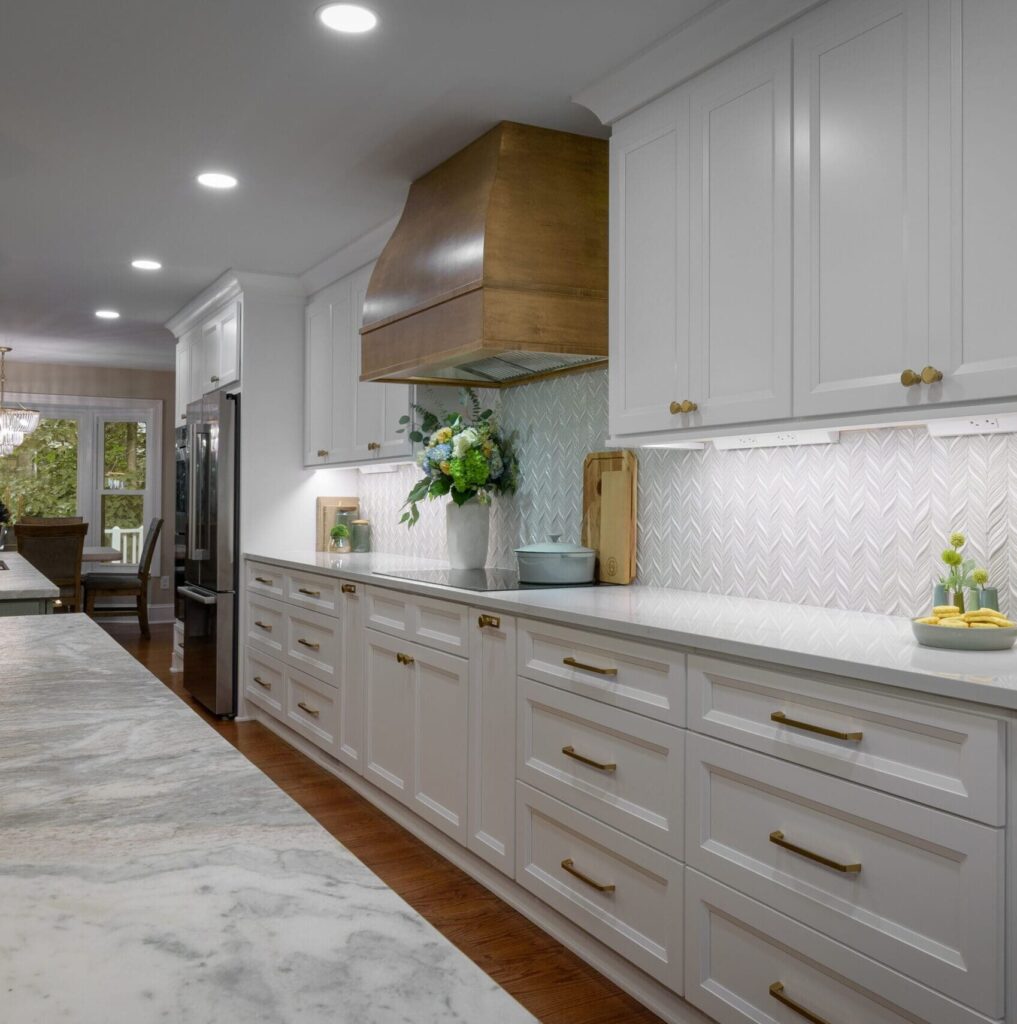
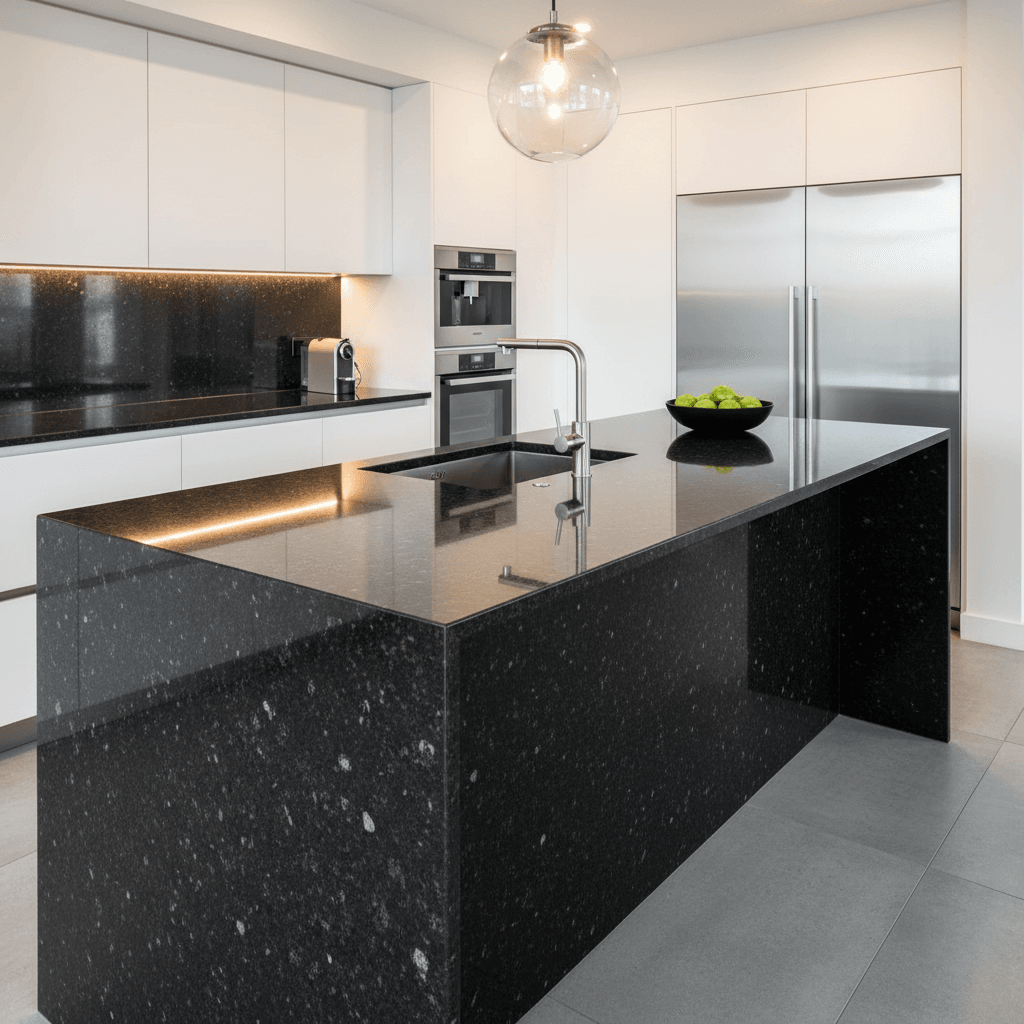
Soapstone has been carving out its own niche in kitchens for decades, and you might be wondering what sets it apart from other countertop materials. If you want to explore the pros and cons of soapstone countertops, you’ve come to the right place. Whether you’re renovating your forever home in the greater Atlanta area or simply dreaming of a refresh, understanding soapstone’s unique qualities will help you decide if it’s the right match for your space. Below, you’ll see how this natural stone holds up in terms of aesthetics, maintenance, and durability, as well as a few considerations that might sway your decision.
What is soapstone?
Soapstone is a natural, quarried stone composed primarily of talc and other minerals. Its smooth texture and rich gray-to-black color give it a distinctive look you won’t find in many other materials. Soapstone forms over millions of years through volcanic processes, which create dense, non-porous slabs that resist staining and high temperatures. It has a soft, almost soapy feel when touched and sometimes features subtle, vein-like patterns that add character. Unlike some types of stone, soapstone doesn’t need sealing, and its composition has made it a beloved choice for both traditional and modern kitchens.
You might wonder why homeowners choose soapstone instead of granite or quartz. Some love it because it darkens with age, creating a patina that feels cozy and lived-in. Others appreciate a surface that can handle sizzling pots without scorching. Whatever your reason, understanding its benefits and drawbacks is key to making an informed choice for your next countertop.
Soapstone Kitchen Countertops: What Atlanta Homeowners Need to Know
Soapstone kitchen countertops are naturally non-porous — unlike granite or marble, they never require sealing and won’t absorb liquids, bacteria, or stains. In kitchens with heavy daily cooking, soapstone kitchen countertops hold up exceptionally well: heat-resistant, highly durable, and they develop a rich patina over time that many homeowners consider part of the appeal rather than a flaw. At GMS, we’ve installed soapstone kitchen countertops across Alpharetta, Milton, Roswell, and Johns Creek — visit our showroom to see current slabs before you decide.
Key benefits of soapstone countertops
You can find several reasons to love soapstone in everyday use. Here are a few major advantages you’ll want to be aware of from the start.
- Natural heat resistance
Soapstone naturally retains heat, meaning you can place a piping-hot skillet or casserole dish directly on the surface without worrying about burn marks. If you love to cook, this advantage can be a big time-saver since you won’t need to scramble for trivets. - Highly durable and dense
Unlike more porous materials, soapstone repels most liquids. Red wine spills or dirty dishes left on the counter won’t cause those dreaded ring marks you see on other stones. It also resists development of bacteria, making it relatively low-maintenance compared to granite or marble. - Timeless, soft appearance
The subtle sheen and muted color palette help soapstone blend seamlessly into a variety of kitchen styles, from rustic farmhouse to sleek modern. If you like a confident, understated look rather than high-gloss flash, soapstone can deliver. - Beautiful, evolving patina
Soapstone is known for taking on a slightly darker tone in high-use areas over time. This patina adds warmth and personality to the stone, making your countertops visually dynamic. You can even apply mineral oil to speed up or even out the darkening if you prefer a consistent look. If you’re curious about typical pricing for this material, you can learn more at soapstone countertop cost.
Potential drawbacks to consider
Even the most appealing stone can have downsides, especially if you prefer certain visual or functional characteristics. It’s helpful to weigh those potential drawbacks before taking the leap.
- Prone to surface scratches
Because soapstone contains a high amount of talc, its surface is softer than many other stones. You might notice scratches or nicks, especially if you slide heavy pots across your counters. Thankfully, minor marks often buff out with sandpaper or appear less visible when you oil the surface. - Limited color variety
While some homeowners embrace the classic gray or black soapstone look, others might feel restricted by the narrow range of hues. If you’re hoping for dramatic veining or bright shades, soapstone may not be your top choice. - Patina might not appeal to everyone
The patina that forms over time is part of soapstone’s charm, but it can also be a turnoff if you prefer a uniform, unchanging color. Unlike engineered materials, soapstone will continue to age, and that’s not something you can fully halt. - Initial dullness
If you’re used to shiny granite or quartz, the subdued matte finish of soapstone could feel too muted. Polishing isn’t typically recommended, so it’s wise to walk into the decision knowing it won’t have a glossy sheen. For some design inspiration on how soapstone looks in various layouts, head over to soapstone kitchen countertops.
How to decide if soapstone is right for you
Choosing the perfect countertop can be both exciting and overwhelming, especially if you’re juggling multiple options. Ultimately, you want a piece that fits your cooking style, design aesthetic, and maintenance preferences. If you love the warmth of natural stone and don’t mind a little extra TLC to manage surface scratch marks, soapstone could be a perfect fit.
On the other hand, if you like bold color or want a countertop that simplifies your cleaning routine entirely, you may find more satisfaction in quartz or granite. It’s also useful to talk to local fabricators who can show you actual slabs, helping you decide if the look resonates in person. Because soapstone is mined in relatively small quantities compared to some other stones, it’s easy to notice variations among different sources. If you find a slab that catches your eye, it might be wise to reserve it while you finalize plans.
Caring for your soapstone countertops
Soapstone maintenance is generally simple enough for daily life, but it does have a few unique care guidelines you’ll want to follow. The key is to remember that less can be more in terms of upkeep.
Most of the time, mild soap and water will handle day-to-day cleaning of your counters. You won’t need harsh chemicals because soapstone’s dense composition naturally resists stains. However, you might choose to periodically buff out scratches if you notice them collecting in high-traffic areas. For more detailed, step-by-step guidance, check out our post on how to clean soapstone countertops.
Mineral oil application is also a popular method for promoting a consistent dark tone across the entire surface. While adding oil is entirely optional, many homeowners like how it gradually evens out aging or scratch visibility. Once you’ve oiled a few times, you’ll have a good idea of how often to reapply based on personal preference.
Getting the best of soapstone in your home
If you’re still unsure whether soapstone aligns with your ideal kitchen or bath design, it may help to see more examples of how people are using this versatile stone. Our gallery at soapstone countertops shows off different patterns, edge profiles, and room styles that feature soapstone front and center. You’ll quickly see how homeowners pair it with everything from rustic wooden cabinets to sleek metal fixtures.
Another tip is to consider mixing soapstone with other countertop materials for a two-toned approach, especially in larger kitchens. Placing soapstone on an island and installing a contrasting material along the perimeter can add visual balance and protect the surfaces that see the most activity. This strategy also lets you highlight different parts of the room, making your kitchen feel dynamic and customized.
Conclusion
Ultimately, considering the pros and cons of soapstone countertops comes down to personal style, your cooking habits, and the level of character you want in your space. Soapstone stands out for its natural heat resistance, stain-fighting density, and timeless look that evolves with age. If you’re open to a stone that develops scratches and patina over time, you’ll likely appreciate how warm and inviting soapstone can be. With simple care methods and the option to use mineral oil for darkening, soapstone can hold its own in both traditional and modern kitchens.
On the flip side, if pristine surfaces and wide color choices top your priority list, you might find soapstone a little too fuss-prone. It’s also not the material for you if you’re after bold veining or a glossy finish. Still, with its storied history and natural charm, soapstone will always appeal to homeowners who value authenticity and practicality.
If you’re leaning toward soapstone or simply want to explore possibilities, take a closer look at local showrooms. Seeing and touching physical slabs is often the best way to know if this classic stone feels right. Once you fall in love with the soft texture and evolving tones, you may find it hard to imagine your kitchen with anything else.
More Articles About Soapstone
How to Clean Soapstone Countertops Without Damage
Soapstone Kitchen Countertops: The Luxurious Upgrade You Deserve
The Honest Soapstone Countertop Cost Guide You Need