Updated: Jan 30, 2026
If you’ve shopped for Taj Mahal quartzite recently, you’ve likely experienced a frustrating mix of sticker shock, inconsistent slab quality, and shifting lead times. When considering a cost comparison between Taj Mahal Quartzite and other materials, it’s important to note that price tags can vary widely depending on the stone and supplier.
At Granite and Marble Solutions, we work with this stone daily, and we’ve seen price quotes vary by 30% between vendors—these cost differences are due to a range of factors, including slab quality and specific details such as edge craftsmanship, pattern-matching intricacies, and pattern desirability, all of which can significantly impact the final price.
As one of the top stone countertops companies in Alpharetta, we’ve seen firsthand how these market shifts affect homeowners, designers, and builders planning luxury renovations.
🔥 Demand Is Skyrocketing—and It’s Global
Taj Mahal quartzite is quarried exclusively in Brazil, and global demand has surged to historic highs. According to trade analysts, Brazilian quartzite exports jumped 41% year-over-year, with Taj Mahal leading the charge.
This surge is being driven in part by marquee international projects, including:
• Dubai International Airport renovations
• The Iran Mall, one of the world’s largest luxury complexes
• Numerous U.S. and Australian award-winning kitchens, where Taj Mahal quartzite is the showpiece
Taj Mahal Quartzite is selected for these projects not only for its durability but also for its unique aesthetics, which complement luxury and modern design themes and enhance the overall visual appeal of these spaces.
Because these large-scale installations are highly visible, they’ve helped fuel a ripple effect. Once designers and clients see Taj Mahal in high-profile projects, it quickly becomes the must-have stone for luxury homes.
📦 Supply Is Strained at the Source
We just returned from Coverings 2025 in Orlando, where we met with major distributors in search of premium Taj Mahal bundles. The feedback was unanimous: quarries are limiting block sales, and most distributors are capped on how many slabs they can import. Additionally, costs and availability can vary significantly depending on the region where the stone is sourced and distributed.
As a result, even those lucky enough to secure a shipment are seeing:
• Higher transportation and logistics costs
• Less consistency in slab quality
• Long lead times and restricted bundle availability
Therefore, clients may face delays, substitutions, or price changes that weren’t expected at the start of their projects.
⚠️ Quality Concerns Are Growing
In our own fabrication facility, we’ve recently experienced:
• Slabs with internal fissures that break during cutting
• Weak core bundles that disintegrate under blade pressure
• A clear increase in waste, time, and cost
This is a stark shift from the Taj Mahal quartzite we worked with just a few years ago. As demand increases and quarry output ramps up, quality appears to be suffering. Consequently, fabricators are forced to reject more slabs or take on added risk during production. These quality issues can increase project complexity, resulting in higher costs and longer timelines for homeowners.
💸 Tariffs Are Adding Uncertainty and Cost
As if supply and quality weren’t enough, recent U.S. trade policy changes are contributing to the volatility. In April 2025, the U.S. government announced a 10% import tariff on goods from most countries, including Brazil—the sole source of Taj Mahal quartzite.
Though the tariff has been temporarily paused for 90 days, the uncertainty has caused:
• Vendors to preemptively raise prices
• Distributors to hedge against future increases
• More price instability at the consumer level
These factors can also drive up installation costs, making it important for homeowners to budget accordingly.
In addition, earlier tariffs on Chinese quartz countertops (up to 300%) pushed many buyers to natural quartzite as a safer alternative—further straining Taj Mahal supply.
🧠 Smarter Alternatives Are on the Rise
With pricing and quality concerns top of mind, some of our clients are choosing engineered quartz options that capture the look of Taj Mahal without the unpredictability. Taj Mahal Quartz is an engineered stone made from crushed quartz and resins, with pigments added during manufacturing to achieve a uniform appearance that is both consistent and predictable compared to natural quartzite.
We currently offer two premium alternatives:
✅ Montaaj by Cambria
This stunning, U.S.-made quartz mimics Taj Mahal’s elegant warmth while providing superior consistency and peace of mind.
✅ Taj Duna by LX Hausys (Viatera)
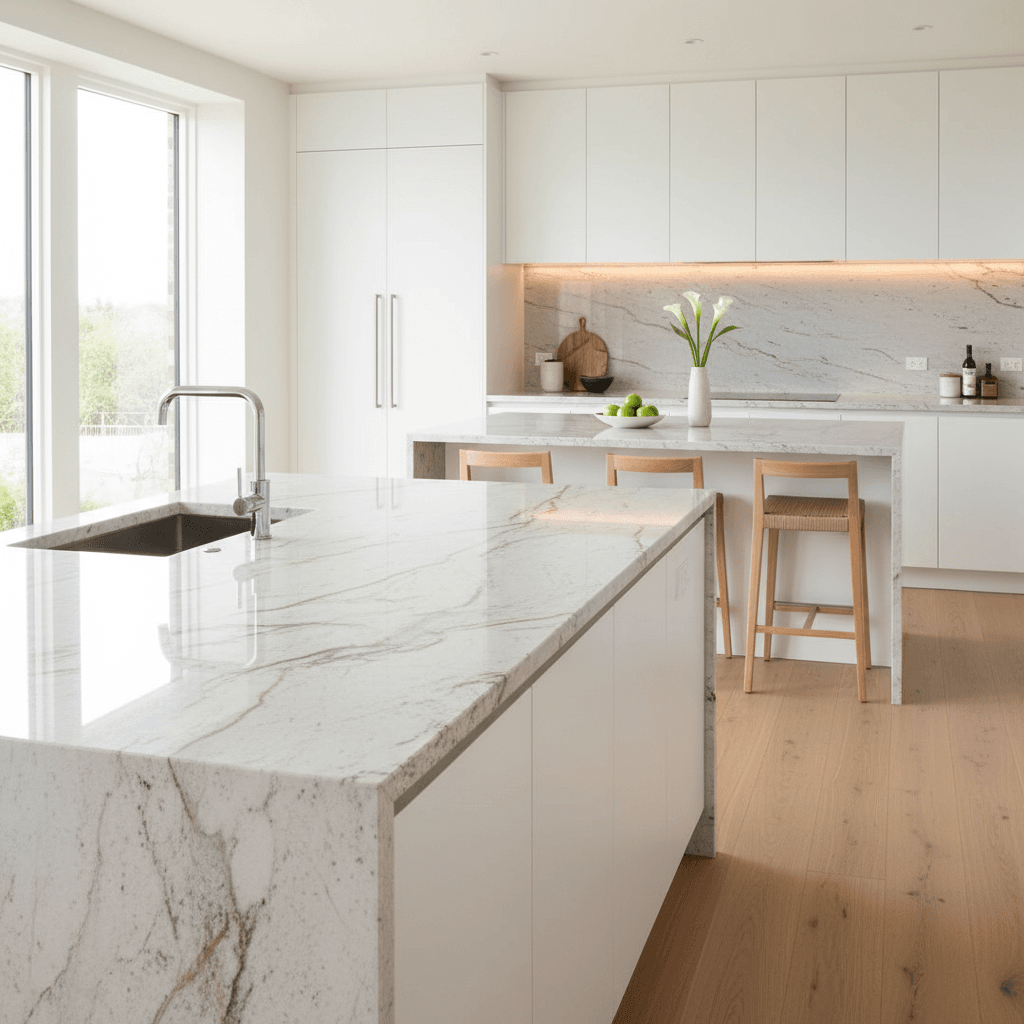
A soft, creamy quartz with subtle veining, Taj Duna is a beautiful and low-maintenance substitute that performs consistently under fabrication pressure. The cream color is a popular choice for those seeking a warm, inviting look, and we find that this one looks identical to the real thing if you are looking for the creamier tones of Taj Mahal.
As a bonus, both options offer:
• Guaranteed consistency
• No sealing required
• Reduced fabrication risk
• Strong manufacturer warranties
🛠️ What This Means for Homeowners and Designers in 2026
If you’re considering Taj Mahal quartzite this year, here’s our honest guidance:
• Expect pricing to fluctuate — slabs may vary 20–30% in cost, even within weeks
• Choose your fabricator carefully — we inspect every slab before cutting and won’t install anything we wouldn’t want in our own home
• Consider quartz alternatives — they deliver 90% of the look with none of the risk
• Plan your project timeline early — slab delays are real, and early decisions give you more options
Because this decision involves both design and performance, we always recommend discussing your lifestyle, timeline, and goals with a trusted team before selecting your stone.
🔧 Installation and Maintenance: What to Know Before You Buy
Choosing Taj Mahal quartzite is an investment in both luxury and longevity, but it’s important to understand what’s involved in getting the most from this stunning natural stone. As a premium material, Taj Mahal quartzite brings unmatched natural beauty and durability to your kitchen or bath, but it also requires thoughtful installation and ongoing care to keep it looking its best.
Professional Installation Is a Must: Taj Mahal quartzite is very hard and dense. This makes it durable, but it also makes the stone harder to cut and install. Fabricators use specialized diamond blades and careful techniques when working with quartzite.
Details like sink cutouts, seams, and decorative countertop edges require precision. If you want to see common design options, review our guide to countertop edge profiles to understand how different styles affect the final look.
Hiring an inexperienced installer can lead to chipped edges or uneven seams. For the best results, work with a fabricator who has experience installing Taj Mahal quartzite.
Protecting the Natural Beauty: Once installed, Taj Mahal quartzite will reward you with its subtle veining and creamy, elegant appearance. To preserve this natural beauty, regular maintenance is key. Although quartzite is more resistant to scratches and heat than marble, it’s still a natural stone and benefits from periodic sealing. Sealing helps protect against stains from wine, oils, and acidic foods, keeping your countertops looking pristine for years.
Simple Maintenance, Lasting Durability: Day-to-day care is straightforward: wipe up spills promptly with a soft cloth and mild soap, and avoid harsh chemicals or abrasive pads that could dull the surface. Using trivets for hot pots and cutting boards for food prep will further protect your investment. With proper care, Taj Mahal quartzite can withstand the demands of busy kitchens while maintaining their natural elegance.
A Worthwhile Commitment: While Taj Mahal quartzite requires a bit more attention than some engineered surfaces, its durability and timeless appeal make it a favorite among homeowners who value both form and function. By partnering with skilled professionals for installation and following a simple maintenance routine, you’ll enjoy the enduring beauty and strength of this remarkable natural stone for decades to come.
🧩 Final Thought: The Look You Love—Without the Stress
Taj Mahal quartzite remains one of the most beautiful natural stones on the market—but it’s no longer the simple, go-to choice it once was. Between soaring demand, global supply issues, rising tariffs, and inconsistent quality, it now takes expert guidance to navigate the risks.
At Granite & Marble Solutions we’re recognized as one of the top stone countertops companies in North Atlanta. We bring clarity to your countertop journey, backed by 19 years of experience, trusted vendor relationships, and the integrity to guide you to the best fit for your space. We encourage you to view our available stock in person so you can select the perfect slab for your project.
👉 Take the Next Step
• Curious if Taj Mahal is still the right choice for your project?
Take our Perfect Fit Countertop Quiz to get expert recommendations.
• Want to see the difference side by side?
Visit our Alpharetta showroom to compare Taj Mahal quartzite to Montaaj and Taj Duna in person.
❓ People Also Ask
Is Taj Mahal quartzite expensive?
Yes, it’s one of the most sought-after quartzites, and prices have risen significantly due to global demand and limited supply from Brazil. Homeowners can expect Taj Mahal Quartzite to range from $120–$200 per square foot (sq ft), with the total cost per square foot installed often falling between $150–$250/ft depending on project size and complexity. Pricing per sq ft is especially important for larger installations like kitchen islands.
What are the best quartz alternatives to Taj Mahal?
Cambria’s Montaaj and LX Hausys’ Taj Duna are excellent quartz options that mimic the look of Taj Mahal with greater durability and consistency.
Does Taj Mahal quartzite require sealing?
Yes. Like most quartzites, Taj Mahal benefits from sealing to protect against staining and enhance longevity.
Are tariffs affecting Taj Mahal quartzite prices?
Yes. In 2025, proposed U.S. tariffs on imported goods from Brazil added pressure to already volatile Taj Mahal quartzite pricing.
🧠 Industry Insight
The insights shared in this article are based on Granite & Marble Solutions’ real-world fabrication experiences, vendor communications, and firsthand discussions at the Coverings 2025 Expo in Orlando. Data referenced includes recent U.S. trade policy announcements (April 2025), international quartzite export trends from Brazil, and sourcing constraints shared by major distributors. We also draw on reports from natural stone industry publications and our own supplier network across North America.
We stay closely connected to shifts in the global stone market so you don’t have to—and we’ll continue bringing you updates that impact your projects and peace of mind.
Projects We’ve done using Taj Mahal or Other Quartzite
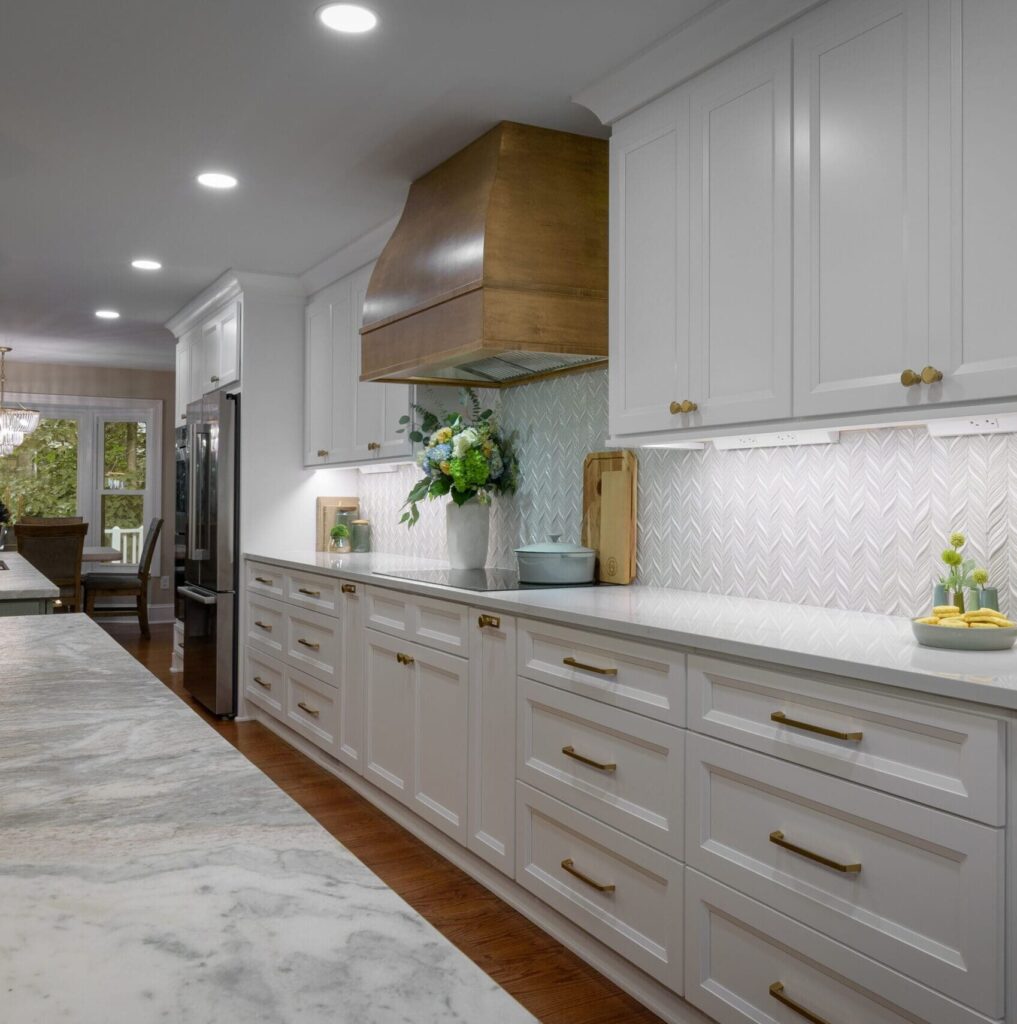
Checkered Way Project | Taj Mahal Quartzite
MTRE Brendon St | Taj Mahal Kitchen
MTRE Heritage Dr | Azzura Bay Quartzite Kitchen